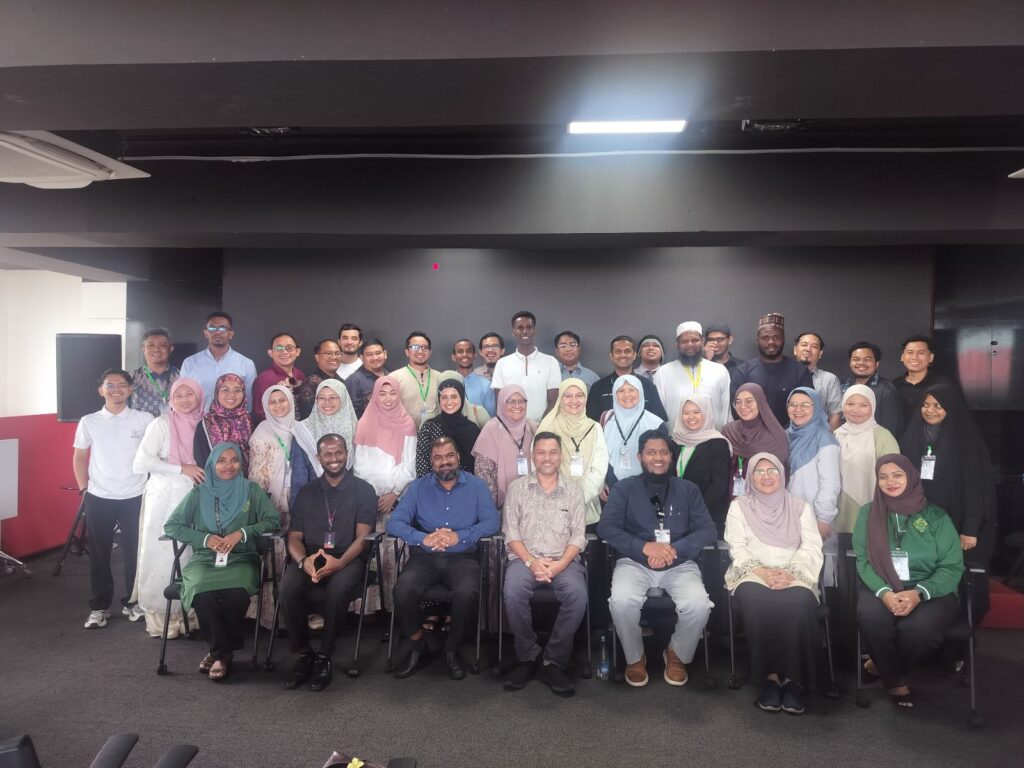
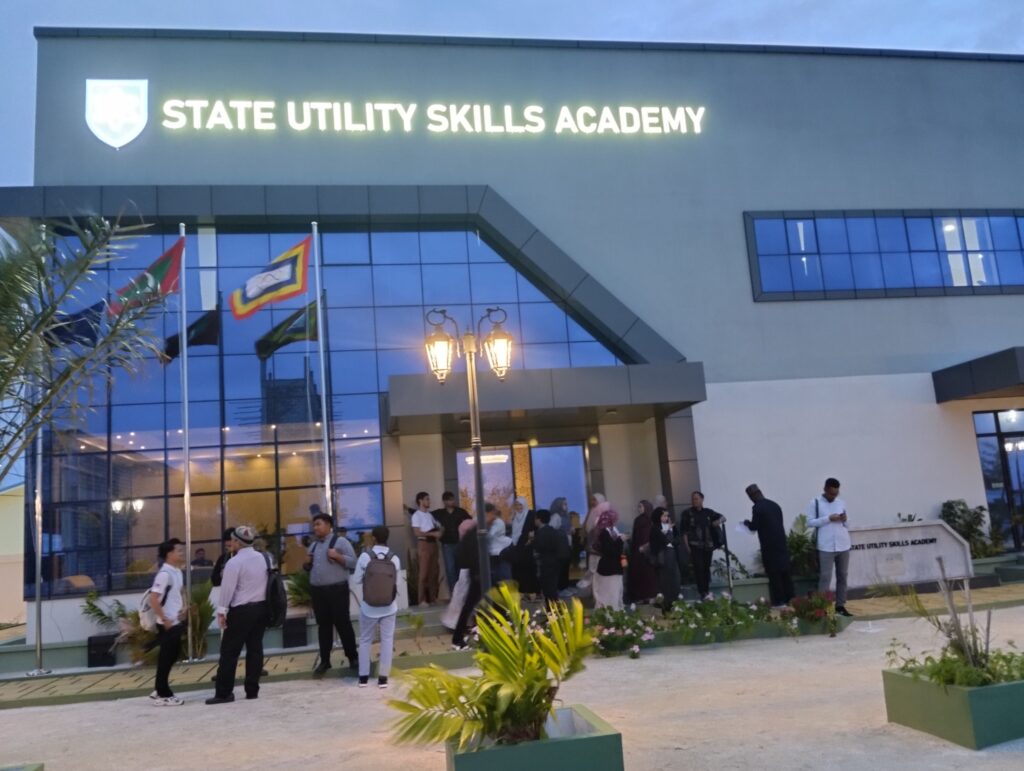

IETC 2026 is an intensive residential programme for postgraduate students from higher learning institutions across the region who have a strong interest in developing their knowledge and research skills in Islamic economics. It combines academic scholarship with policy application, covering the Islamisation of human knowledge, the development of Islamic economics and related fields, and the role of Islamic economic institutions and policies. The programme includes visits to relevant agencies and institutions. Participants will also meet peers from a wide range of backgrounds across the region and take part in activities designed to sharpen their research, articulation, and presentation skills on contemporary issues in Islamic economics.
OBJECTIVES
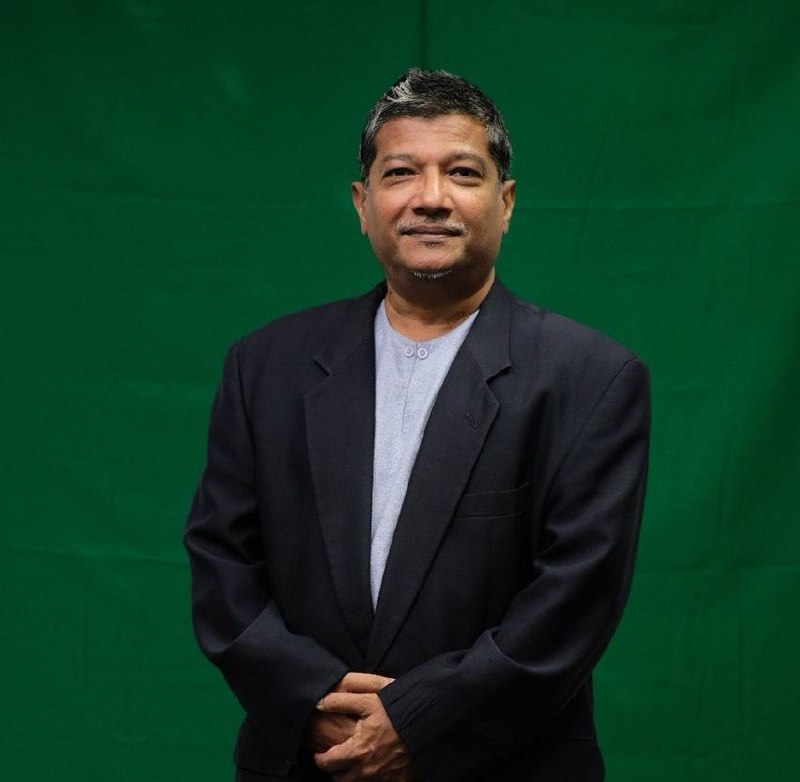
Philosophical Foundation of Islamic Economics: Prof. Dr. Mohamed Aslam Mohamed Haneef
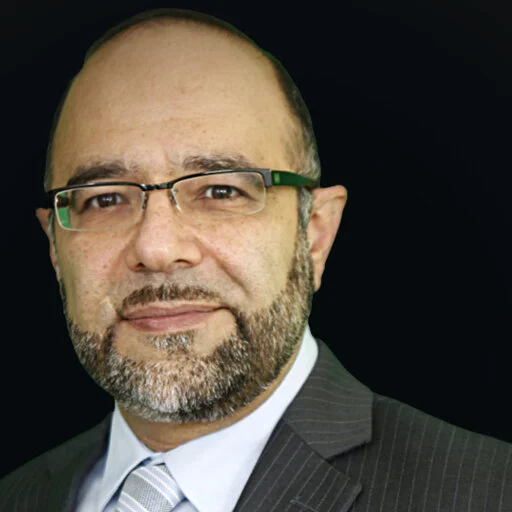
Maqasid Methodology for Economics Research: Dr. Zaid Barzinji, Maqasid Institute
Application of AI in Islamic Economics Research: Prof. Dr. Gairuzazmi Mat Ghani
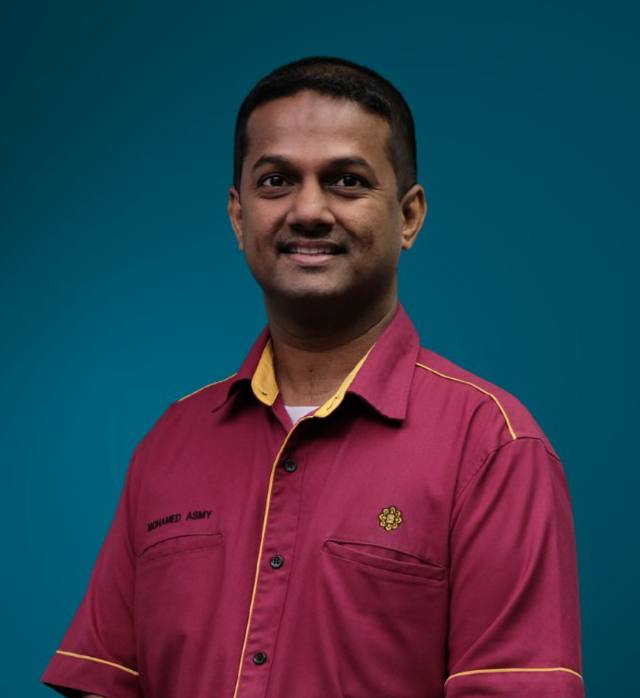
Tips for Writing an Award-Winning Research Paper: Assoc. Prof. Dr. Mohamed Asmy Mohd Thas Thaker
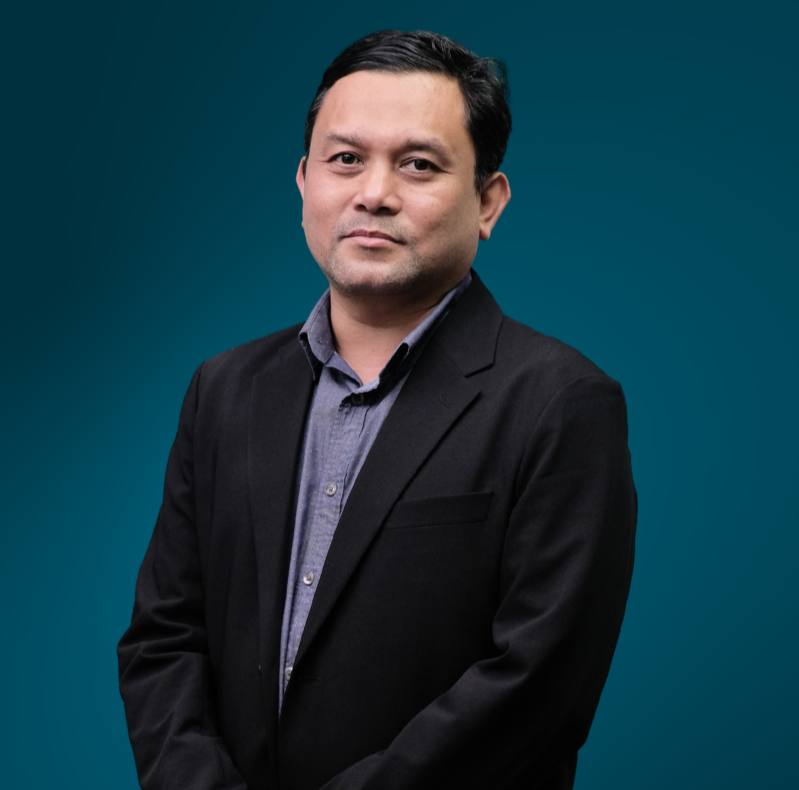
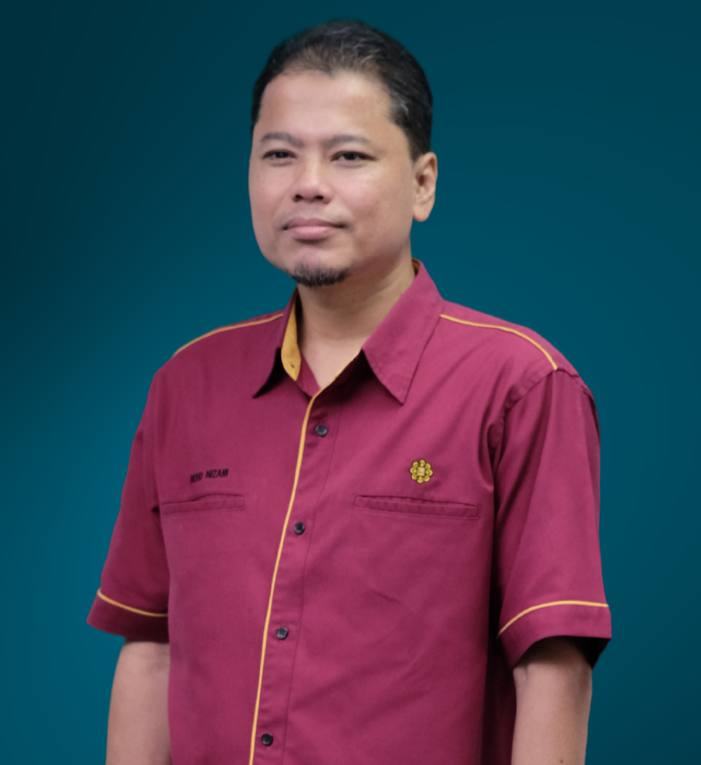
Scope and Methodology of Islamic Economics: Assoc. Prof. Dr. Mohd Nizam Barom
Reimagining Economics and Finance: Dr. Ildus, Maqasid Institute
Ethics in Islamic Economics: An Axiological Inquiry: Prof. Dr. Hafas Furqani
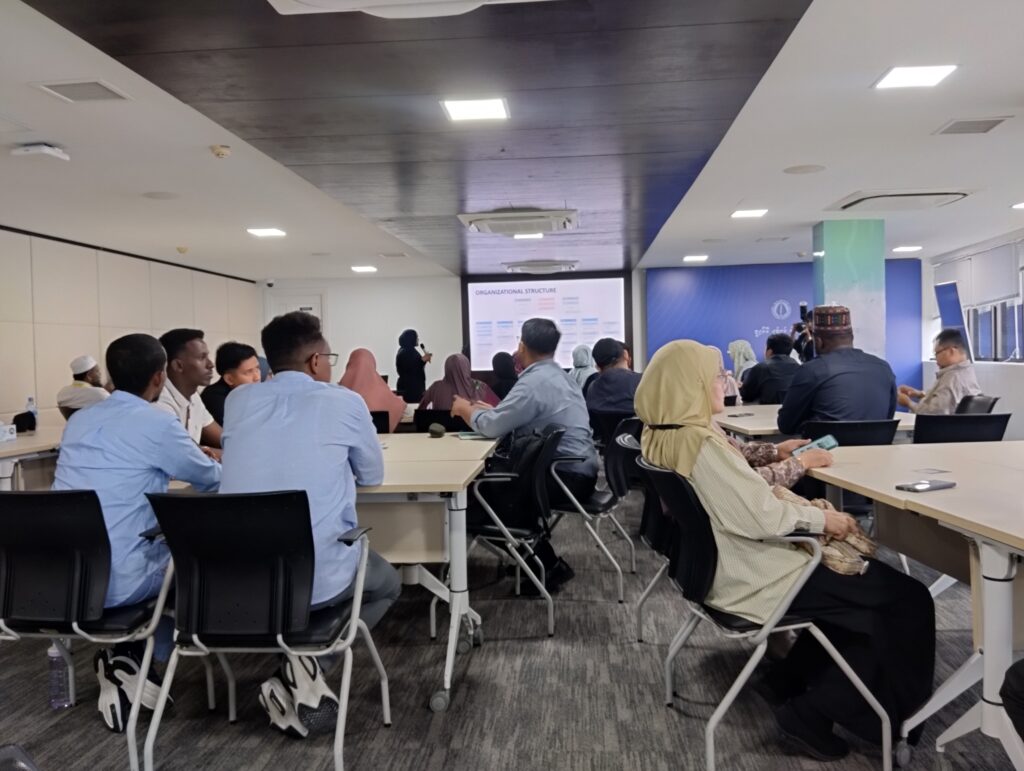
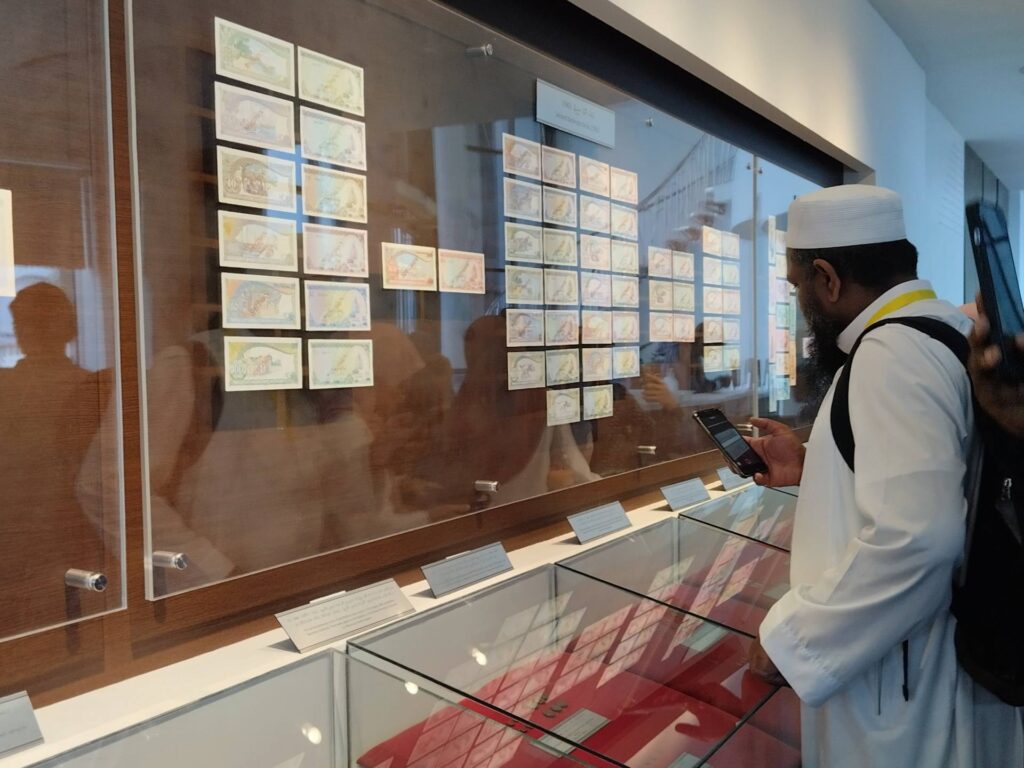
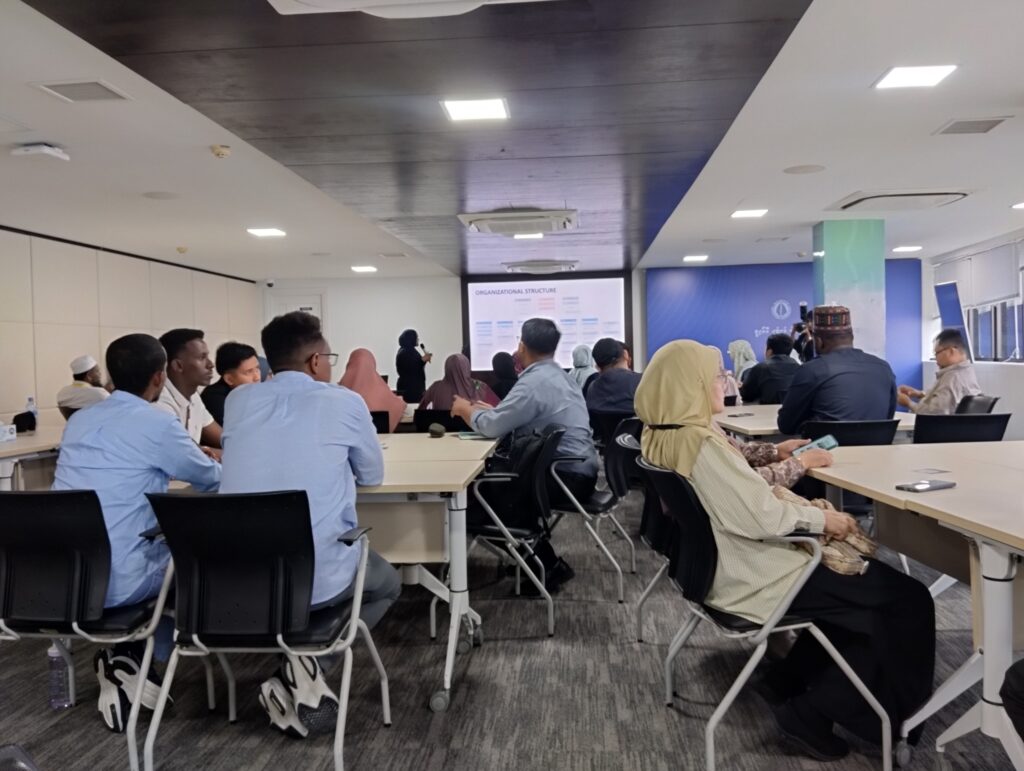
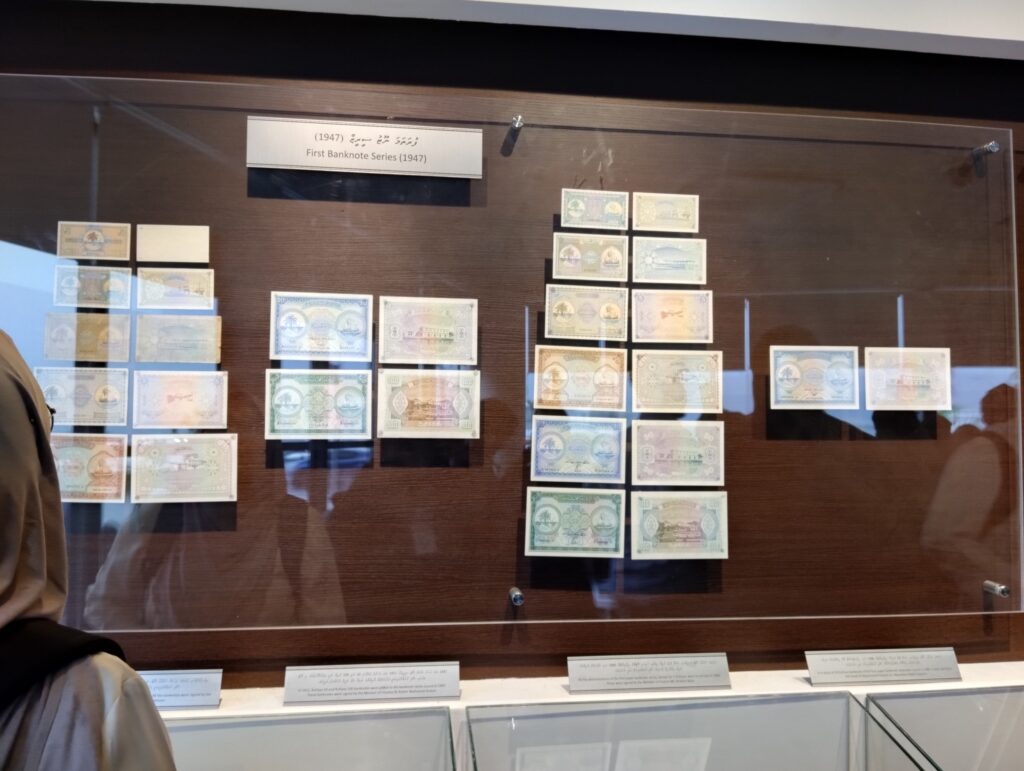
The educational visit to the Maldives Monetary Authority (MMA) and BML Islamic provided participants with valuable insights into the island nation’s central banking system and its evolving dual-banking framework. Through engaging presentations and discussions, attendees gained a deeper understanding of monetary policy, currency reserve management, and the regulatory standards guiding Shariah-compliant financial products. The visit enriched participants’ academic knowledge with practical exposure, fostering a stronger appreciation of how regulatory oversight and Islamic financial engineering support the Maldives’ unique economic ecosystem.
PROGRAM HIGHLIGHTS
The research paper presentations are organized into two parallel sessions, each exploring key facets of Islamic economics and finance. Session 1 features Theme 1 on Islamic Financial Innovation and Technology in Parallel Room 1, running alongside Theme 2 on Waqf Instruments and Islamic Economic Philosophy in Parallel Room 2. Session 2 continues with Theme 3 focusing on Islamic Economic Development and Governance in Parallel Room 1, while Parallel Room 2 hosts Theme 4 on Islamic Socio-Technical Systems and Sustainable Economic Frameworks.